Public PLN – Balancing PLN, Media Literacy, & Public Discourse
Notable individuals utilize social media to communicate with audiences, build professional identity, and stay visible in public discourse. As shown in Sophie Lui’s interview, these platforms allow for fast communication and networking, but also increase the risk of misinterpretation and reputational damage. A public PLN offers benefits such as wider reach, professional connections, and opportunities to share ideas or advocate for causes. However, increased visibility means posts and interactions can be publicly misused and misinterpreted.
Employer communication tools can provide structure, privacy, and clear boundaries, but have limited flexibility in comparison to open platforms, which allow for broader engagement and lower restrictions. A strong PLN relies heavily on credible sources, risk mitigation, and consistent information verification, requiring a high level of critical thinking, cross-checking, and engagement with individuals who value accuracy, as demonstrated by veteran storytellers.
Media literacy is the ability to access, evaluate, and use information responsibly, and this is essential in managing misinformation, but often dismissed due to people overestimating their understanding of digital media or underestimating its complexity. This can also be ignored when certain content challenges an individual’s personal beliefs.
Engaging publicly offers networking, visibility, and learning opportunities but also increases the risk of criticism, misinterpretation, and the spread of misinformation. These risks are exponentially greater for professionals in trusted roles, where online presence strongly affects credibility. To ensure maximum online security, social media should be curated carefully, ensuring posts align with professional values and workplace expectations, with all responses to feedback being courteous, and engaging solely with constructive criticism. Conflicts in media literacy may arise because people can disagree on trusted sources, especially when online information challenges one’s identity or beliefs, which can then undermine credibility in public spaces.
Overall, a media literate PLN supports informed participation and reduces misinformation in public discourse by strengthening a users’ ability to critically evaluate and verify information before engaging with it.
PLN & Education
A PLN supports education discourse by connecting educators beyond their immediate environment, allowing sharing of ideas, resources, and experiences. However, it can also reinforce opinionated beliefs or spread unverified information if not properly managed. Educators create discourse through collaboration and discussions in professional networks, while social media expands this by enabling broader communication avenues and exposure to diverse educational perspectives.
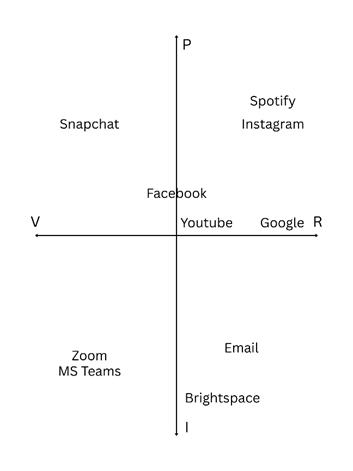
The presence of social media reinforces professional learning by providing access to current ideas and increased communication, but challenges may include misinformation, lack of context, and blurred boundaries. Platforms such as Google, LinkedIn, YouTube, and communication tools (ie: Zoom, Teams, etc) are most beneficial for education because they enable collaboration, resource sharing, and access to diverse perspectives while maintaining professional boundaries.
In vulnerable sector work, social media usage must be strongly enforced by privacy and professionalism standards, ensuring no confidential information is shared and all online activity aligns with strict workplace boundaries and expectations.
References
Couros, A. (2010). Developing personal learning networks for open and social learning. In G. Veletsianos (Ed.), Emerging technologies in distance education. AU Press.
MediaSmarts. (2018). Introduction to Digital Literacy | Digital Literacy 101 [Video]. YouTube.
Dyer, H. (2016). Incorporating & accounting for social media in education [Video]. TEDxNorwichED.
Hirst, M. (2018). The political economy of fake news. In Navigating social journalism: A handbook for media literacy and citizen journalism. Routledge.
Trilling, B., & Fadel, C. (2009). Digital literacy skills. In 21st century skills: Learning for life in our times. Jossey-Bass.
Recent Comments